



— SIX SECTORS —
six different ways of telling a story
We understand your business.
Every industry has its own language. Every language requires different choices in terms of text, photos, and structure. Here’s how we approach yours.

Restaurants and Food
The website showcases the venue, the menu, and the atmosphere. Photos make all the difference, and we know it.
Restaurants, bars, coffee shops, ice cream shops, bakeries

Retail and Store
The website transforms the physical storefront into a showcase that continues to operate even when the store is closed.
Clothing, groceries, flowers, electronics

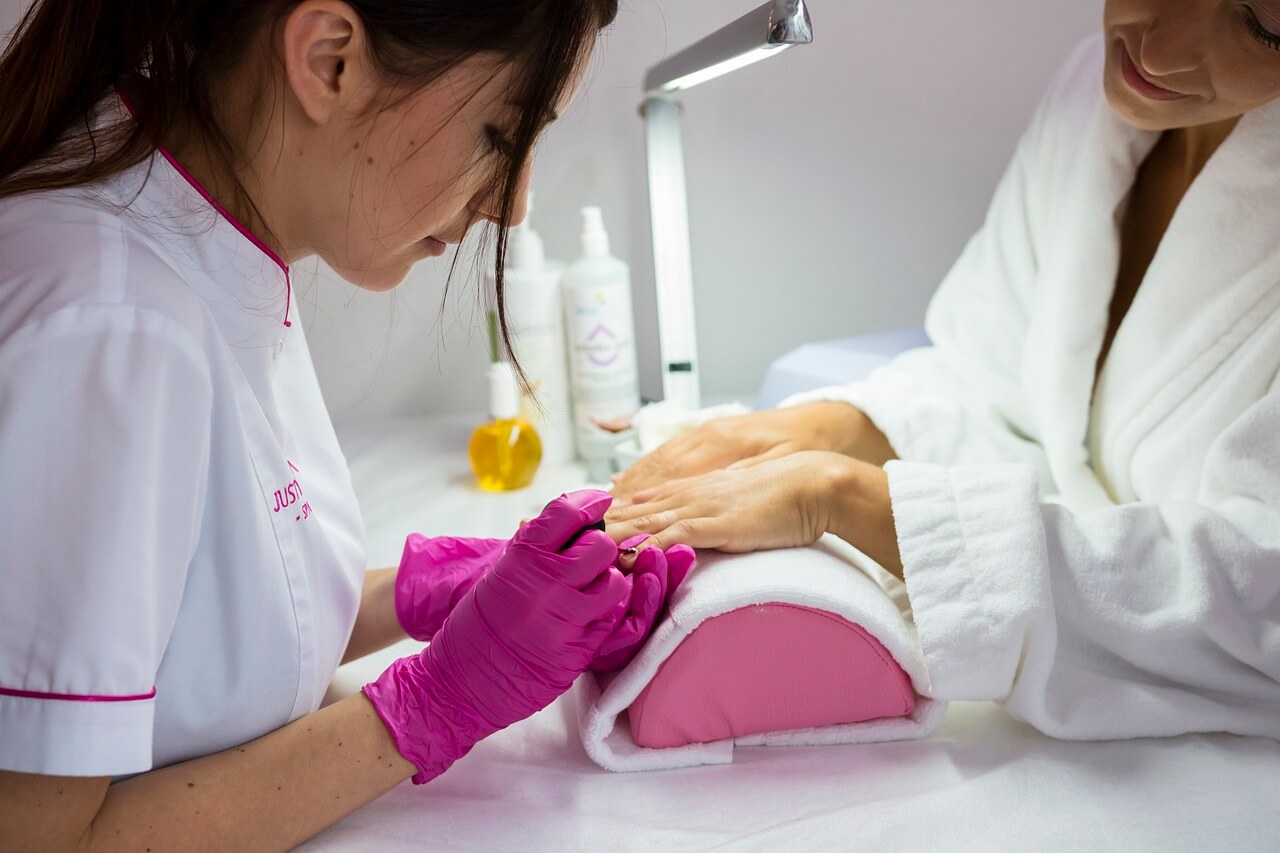
Personal services
Online booking, a listing on Google Maps, and reviews. These are the tools that bring in new customers without invasive advertising.
Hairdressers, estheticians, barbers, manicurists

Crafts and Manufacturing
The website tells the story of the craftsmanship, the process, and the time involved—things that a generic advertisement simply can’t convey.
Carpentry shops, jewelry stores, tailor shops

Professionals and firms
A website that conveys expertise without coming across as cold. One that’s easy to find for anyone looking for a professional in the area.
Lawyers, accountants, architects, doctors

Wellness and Health
A website that inspires trust even before the first call.
Physical therapists, gyms, yoga, nutritionists
— QUESTIONS FOR —
sector
Frequently asked questions.
Sorted by industry.
Open the one that applies to your profession.
01 –Restaurants and food
It depends on your business. For a restaurant with limited seating, yes, it saves you from having the phone ring during service. For a café or ice cream shop, a call button and clearly visible hours are often enough. Let’s discuss this over the phone, and we’ll let you know what makes sense for you.
In good natural light, a recent smartphone is sufficient for most dishes. For the cover photo—the one everyone sees first—it’s often worth investing in a professional photo shoot. We’ll help you make the right choice.

02 –Retail and Store
It depends on what you sell and how you sell it. If you have regular customers in the neighborhood, a simple website with a product catalog and contact information works perfectly well. If you want to sell outside your city as well, we should consider a full-fledged e-commerce site. The question isn’t “should I sell online or not?” but “does it make sense for my type of product?”
Yes, that’s the approach we take most often. A catalog with photos, descriptions, and prices, and then the customer contacts us or stops by the store. Less hassle, lower costs, and more in line with how you actually work.
The site is designed so you can update it yourself. Updating your online store takes just a few minutes—no technician needed. We’ll show you how during the setup process.
Yes. The site is designed to grow with you. A second location, different hours, a dedicated page—all changes that can be made without having to rebuild the site from scratch.

03 –Personal Services
Yes, with most of the systems used by salons and beauty studios (Treatwell, Fresha, Planity, and similar platforms). If you use a specific management system, we’ll check it with you over the phone before we get started.
The Google My Business module is designed for exactly this purpose. We’ll set up your profile so that customers can leave a review with just one click, and we’ll give you tips on when and how to ask for reviews without coming across as pushy.
No, but they do help. Many customers leave a website if they can’t find at least a rough idea of the prices. You can choose to list price ranges or specific prices—we can discuss this during our call.
That’s a valid concern. The website always displays the phone number prominently; online booking is just an additional option, not the only way. Those who prefer to call can do so.
04 –Crafts and Manufacturing
With photos of the process, not just the finished product. Wood before it becomes a piece of furniture. Raw silver before it becomes a ring. We’ll help you figure out what to photograph and in what order to present it, because that’s what turns a website into a story.
Almost never. For custom pieces, it’s better to show a price range (“starting at…”) or explain how a quote is calculated. The exact price is determined once we understand what the customer wants, and the website facilitates that conversation—it doesn’t replace it.
Yes, in fact, it’s one of the fastest ways to build trust. A portfolio with ten real projects is worth more than a thousand words of self-description.
With the right words and concrete content. “Carpenter in Lugano” gets you listed. “Carpenter who restores antique furniture in Lugano” gets you listed in the right place. We’ll handle writing the website so that when people search for you, they find you—not just some generic competitor.

05 –Professionals and firms
Yes. Searches like “divorce lawyer in Lugano” or “accountant for small businesses in Bellinzona” go through there. Without a well-optimized profile, you’re invisible to the very clients who would be looking for you.
Yes, in fact, that’s exactly what visitors to your site are looking for. They don’t want a resume; they want to know within thirty seconds if you’re the right person to solve their problem. We write our copy to convey this clearly, without unnecessary embellishment.
No, not if the website is well-designed. No names, no identifiable cases, and no contact forms that collect more data than necessary. The website should inspire trust, not jeopardize it.
Not necessarily. A blog works if you have something genuine to say and the time to post consistently. If you don’t, a clean website without a blog is better than a blog that hasn’t been updated since an article posted two years ago.

06 –Wellness and Health
Yes, with a calendar linked to your Calendly, Google Calendar, or dedicated systems like Jane App. During our call, we’ll discuss what you’re already using and how to integrate it.
Paying attention to the details: the tone of the text, the type of photos, what we promise—and what we don’t. Our job is to build credibility without falling into the trap of Instagram-style wellness aesthetics. You can tell within five minutes, on any website.
Activities that fall under regulated healthcare professions in Switzerland are subject to specific restrictions on public communication. We draft our content in compliance with these restrictions: no therapeutic promises, and no statements that could cause issues.
It depends on the profession and the type of service. For a gym, yes, no problem. For a nutritionist or physical therapist, we need to proceed with more caution and always obtain written consent. We’ll discuss this during our call and guide you through the options.

Is your business not on this list?
Tell us what you do. If it’s a local business with real customers, we’ll cover it.